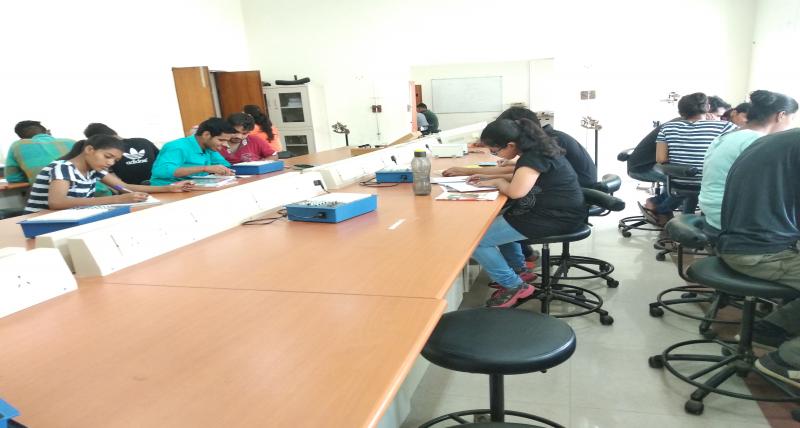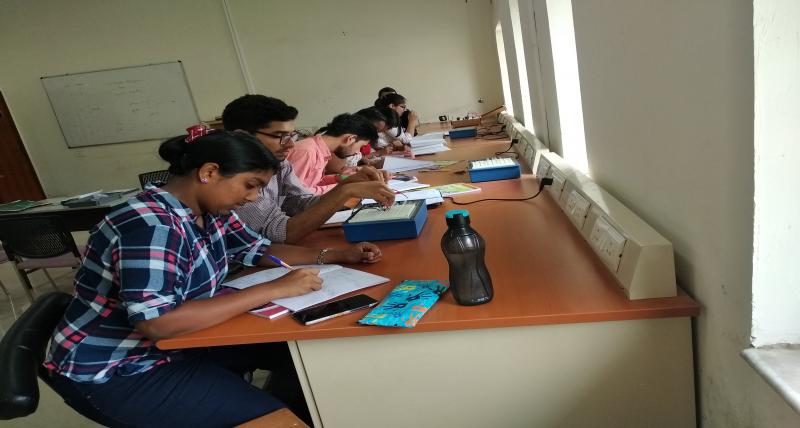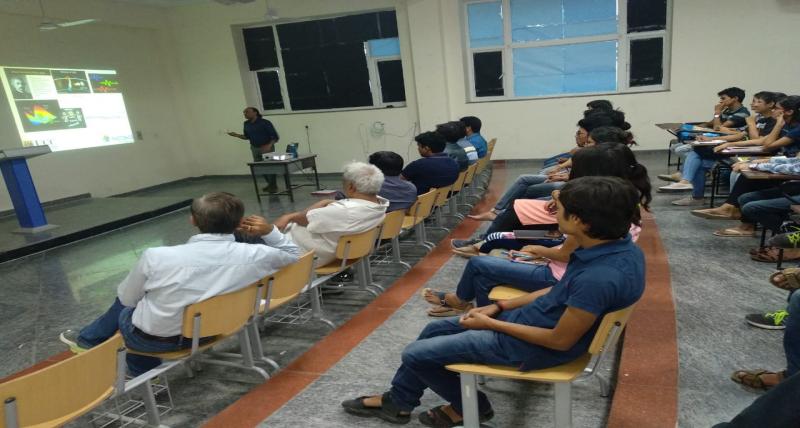
The Department of Physics, Central University of Rajasthan was established in 2011. The Department offers three postgraduate courses: 5 years integrated M.Sc. Physics, 2 years M.Sc. Physics and 3 years integrated M.Sc. B.Ed. Physics. In addition, the PhD degree program is also introduced from the year 2014. The Department has excellent state-of-art laboratories for the undergraduate and postgraduate teaching as well as for research. The Department follows the best teaching practices in the core area of Physics with a motto of learner-centric teaching and gives exposure to the students about the latest research through summer internship/project and a semester-long research project.

The Department provides deep physical insight and the ability to realize such insights in a creative way through a wide-ranging education in both experimental and theoretical subjects. The Department has an excellent team of competent faculty involved in cutting-edge research and teaching to develop the careers of the next generation of physicists. Main research areas are condensed matter physics, lasers and optics and non-linear dynamics. The research is also supported by various national and international funding agencies with approximately Rs.3 crore extramural research funding. The Department has achieved great success by producing outstanding undergraduate and master students who are employed in world-class institutes like BARC, PRL and other academic institutes and also cleared national level examinations like NET-JRF, GATE and JEST.

===================================================================================================================


Four Year Undergraduate Program

Objectives of the Programme: To provide the basics of Physics curriculum and an opportunity for students to strengthen their knowledge in the branch of Physics.

About the Programme:  The Four Year Undergraduate Program (FYUG) in Physics offered by the Central University of Rajasthan is designed to give students a strong foundation in the subject and keep
them updated with the latest advancements as per NEP 2020. The program's multidisciplinary structure allows students to explore the intersections of physics with other fields of study, cultivating a broader perspective and enhancing their understanding of interconnected knowledge areas. Designed to promote critical thinking, problem-solving abilities, and creativity, the syllabus includes laboratory work and practical exercises that enable students to apply theoretical concepts to real-world problems and enhance their scientific skills. As the students transitioning from senior secondary education face crucial decisions regarding their career paths, the program equips students with the skills and knowledge necessary for success in a rapidly changing world.

The FYUG program in Physics comprises Core courses, Minor courses, Elective courses, Ability enhancement courses, Value added courses, and Skill enhancement courses etc. As per
NEP’s recommendations, the FYUG program in Physics also offers multiple exit options. A student can choose to exit the FYUG program after each year of study and accordingly will be
awarded the following degree/certificate:
1. UG Certificate: A certificate after completing 1 year of study.
2. UG Diploma: A diploma after completing 2 years of study.
3. B. Sc. (Hons): A Bachelor's degree after completion of 3 years.
4. B. Sc. (Hons with Res): A Bachelor's degree with Research after completing 4 years.

Similarly, the department offers lateral entry to the FYUG program in the 2nd, 3rd and 4th year, subject to minimum eligibility for the program with completion of 44, 84 and 120 valid academic
bank credits (ABC) respectively. The department admission committee shall also look for equivalence and advise on additional courses (if any).

2 Year M.Sc. Physics

Objectives of the Programme: The Physics Department is committed to impart quality education both in theoretical as well as experimental physics with special emphasis on ‘learning by doing’ for socio-economic growth.

About the Programme:  We envisage that imparting quality education is essential for the all-round growth of the students. Therefore, in the M.Sc. Physics (2Y) program, prime emphasis is to provide education of advanced topics along with the everlasting fundamental laws of Physics. During the two years consisting of four semesters, the students are taught basic and advanced of quantum mechanics, analog and digital electronics, classical mechanics, condensed matter physics, mathematical Physics, statistical mechanics, Nuclear Physics, Atomic and Molecular Physics etc. Besides, the students can opt for the elective courses in Materials Sciences, Fibre Optics and Lasers etc. Along with the theoretical course work, students also learn physics through laboratory courses. They can also take elective courses form other departments as a part of choice based credit system. In the final semester, the students are required to do major project in Physics which prepares them for higher studies.

3 Year Integrated M.Sc. B.Ed. Physics (Discontinued)

Objectives of the Program: The Physics Department is committed to impart quality education in theoretical as well as experimental physics with special emphasis on the learning by doing for socie- economic growth.

About the Programme:  Education in general and science education in particular, is essentially a dynamic teacher-student interactive process. Hence there must be greater emphasis on teaching to maximize the learning outcomes. There is a saying that good teachers are born. But then we cannot afford to wait for good teachers to be born and then hire them for teaching in educational institutes. We need to be pro-active and train some of the students in teaching. In CURAJ, we integrate science learning with science teaching. An extra year is added to M. Sc. program; students are taught different subjects in Physics and are also trained in pedagogy and philosophy of Physics education in an integrated fashion.

Ph. D. in Physics

Objectives of Program: The main goal of the Ph.D program is to give training to the students who can conceptualize and implement their high-quality research to become a competent researcher/entrepreneur in their chosen research area.

Intake and eligibility: 15

A consistently good academic record possessing a Master’s Degree in Science or Engineering with minimum of 55% marks or equivalent grade from a recognized University/Institute at both undergraduate and postgraduate levels; 5% relaxation in minimum requirement of marks is granted to SC/ST/OBC/PWD/EWS candidates.

Admission procedure through National Level Examination: The candidates who qualify UGC-CSIR-NET/JRF, Graduate Pharmacy Aptitude Test (GPAT) conducted by National Testing Agency, will be exempted from the entrance examination.

Regular

Dr. Brijesh Kumar Singh

Assistant Professor

M.Sc., JRF-NET, GATE, JEST, Ph.D. ( Physics ) : Indian Institute of Technology Delhi ( IIT Delhi ) Postdoc Research : Tel Aviv University, Israel

brijeshsingh@curaj.ac.in

7427892949

->More

Dr. Kuldeep Suthar

Assistant Professor

Ph.D. (PRL, Ahmedabad)

kuldeep.suthar@curaj.ac.in

->More

Prof. Manish Dev Shrimali

Professor

Ph. D. (JNU New Delhi), Post Doctoral Fellow (The University of Tokyo)

shrimali@curaj.ac.in

->More

Dr. Pritam Kumar Roy

Assistant Professor

Ph.D. (IIT Kanpur), JSPS Postdoctoral Fellow (The University of Tokyo), Postdoctoral Fellow (Ariel University, Israel)

pritam.roy@curaj.ac.in

91

->More

Dr. Rajendra Charandeo Pawar

Assistant Professor

M.Sc. Ph.D. (Shivaji University Kolhapur), Postdoc (Hanyang University South Korea, Dalian Institute of Chemical Physics, China), Research Professor (Hanyang University South Korea))

rajendra.pawar@curaj.ac.in

91

->More

Dr. Rakesh Kumar

Assistant Professor

Ph.D. (JNU, New Delhi), Research Associate (UNSW, Sydney), Visiting Scholar (JNU, New Delhi), Research Fellow (NTU, Singapore)

rkumar@curaj.ac.in

->More

Dr. Sukhmander Singh

Associate Professor and Dean (School)

M.Sc. (Physics), Jawaharlal Nehru University; Ph.D. (Physics) from IIT Delhi, JRF-NET (CSIR), GATE, JEST.

sukhmandersingh@curaj.ac.in

9711600210

->More

Dr. Yugandhar Bitla

Assistant Professor

M.Phil.& Ph.D.(University of Hyderabad), Postdoc (UoH, NCTU Taiwan, IISc Bangalore)

y.bitla@curaj.ac.in

->More

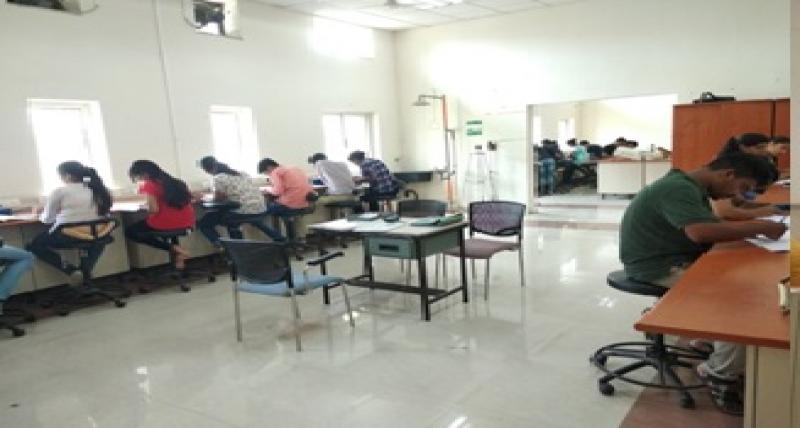
The Department of Physics has excellent laboratories for undergraduate and postgraduate students. The Department has the following laboratories:

  1. Computational Physics Lab of 40 seating capacity.
  2. Integrated Lab I & II: Flywheel, Bar Pendulum, Katter’s Pendulum, Spring Constant, Planck’s Constant, Maxwell Needle, Coefficient of friction, Stefan constant, Tangent Galvanometer, Lee’s Disc, p-n Junction diode, LCR apparatus, De-Sauty Bridge, Anderson Bridges, Rectifier, Faraday's laws apparatus, Breadboard, Sextant, BCD Decoder and Encoder, Charging and discharging of capacitor, Carry-foster bridge, Transistor input-output characteristics, k/e apparatus, Measurement of high resistance and low resistance, Thermal relaxation of the bulb, Thermocouple of silicon. 
  3. Electronics Lab: Flip-flop Kit, UJT and SCR Kit, Counter Kit, Universal Shift Register, Microcontroller 8051 and Microprocessor 8085, ADC, DAC, applications of Universal Gates, Phototransistor characteristics, Multiplexer, Multi-vibrator kit, Testing of various IC, applications of Op-amps, all 74 series ICs, PPM and PAM Modulation, DSO, CRO, Digital Multi-meters.
  4. Physics Lab: B-H curve, Milikan oil drop, Newton's Ring, Curie Weiss Law, Curie Weiss Law, Measurement of dielectric constant of capacitor, Michelson Interferometer, Hall effect, solar cell, Light Runner, Quincke's Tube, RTD, Frank Hertz, Fresnel Bi-Prism, Zeeman Effect, e/m, electron diffraction, Table Top XRD and Scanning Tunnelling Microscope.

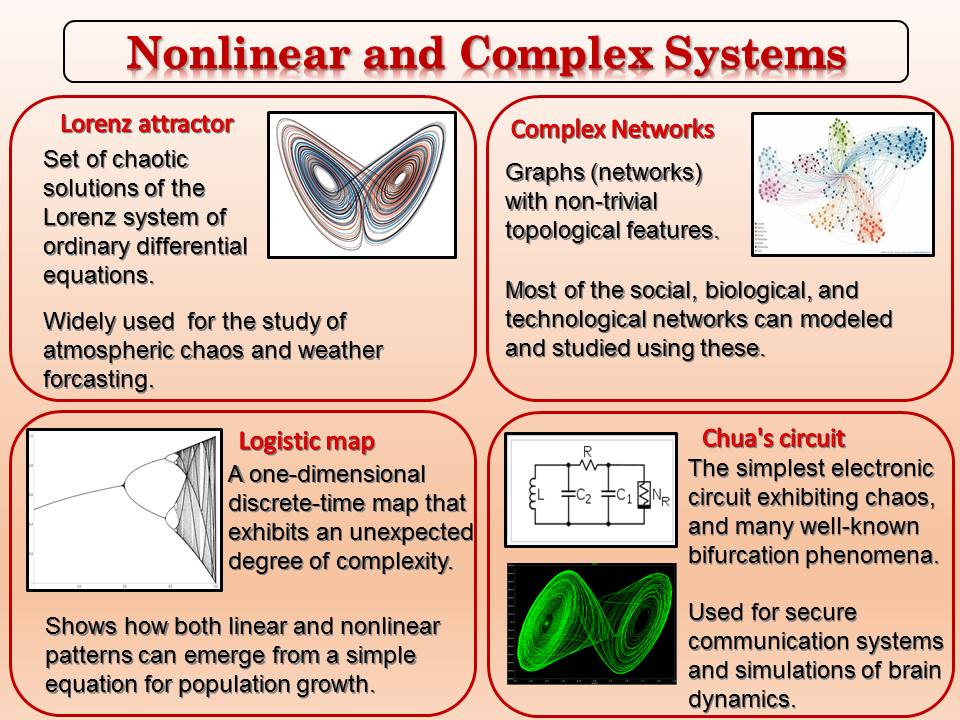
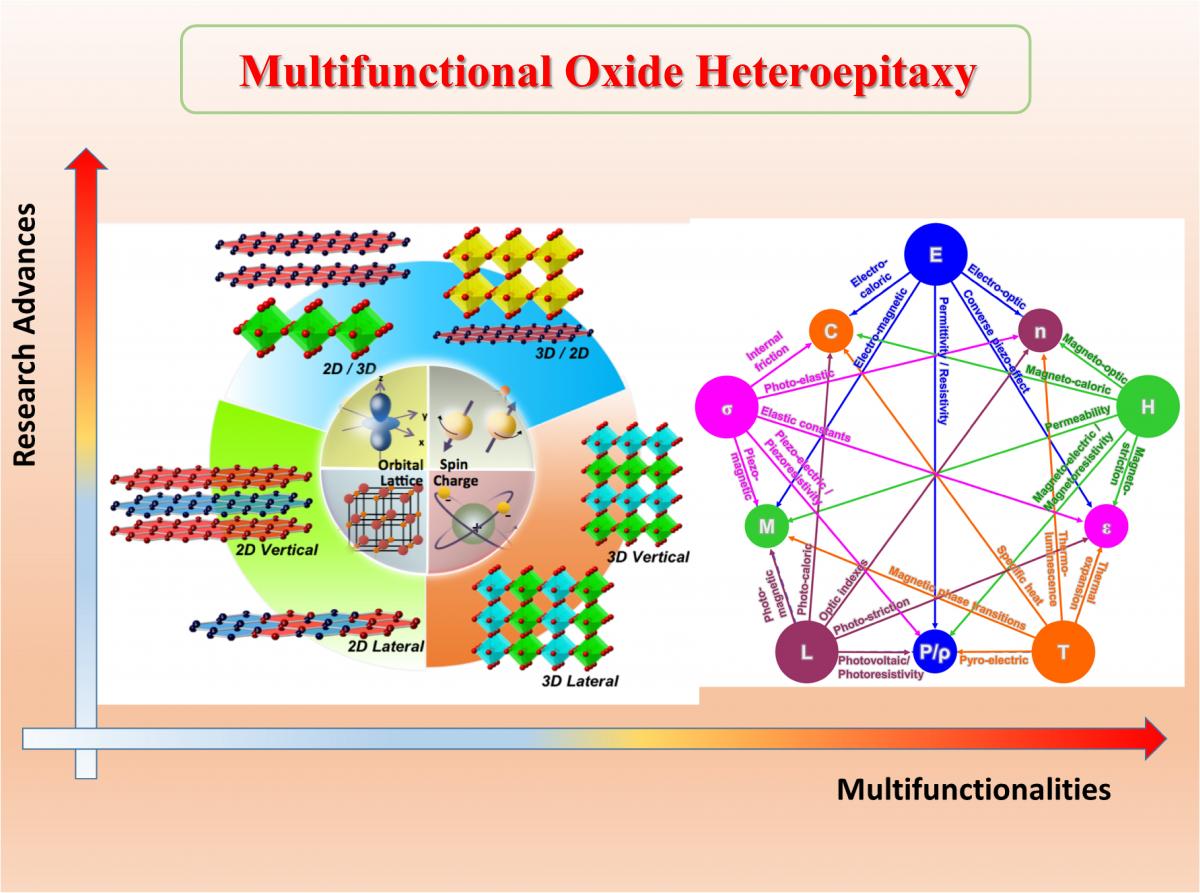
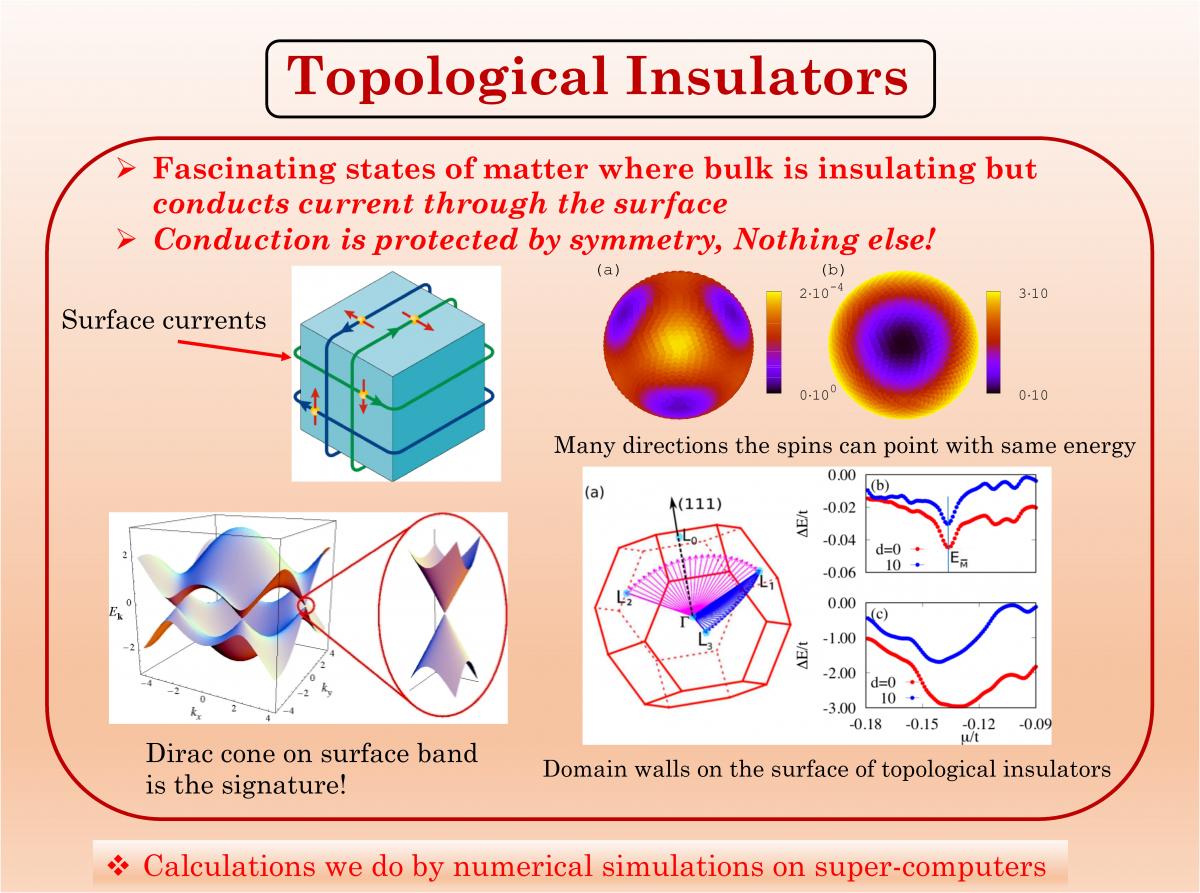
The Department of Physics is devoted to the research in the areas of condensed matter physics, laser, optics and plasma, and non-linear dynamics. The details of the labs with available facilities are;

I. Materials Science Lab: Spin Coating Unit, Hydraulic Pressure Machine, Sonicator, pH Measuring Instrument, Weighing Balance, Magnetic stirrers, Fume hood, Vacuum pump, High-Speed Centrifuge Machine, Thin-film filtration assembly, vortex, PQMS, temperature-controlled oven, Tabular furnace, Jupiter furnace (1450°C), Carbolite furnace (1700°C) and PANalytical XRD Machine, Vacuum machines, Thermal Evaporation and E-Beam Vaporization.

II. Laser, Optics and Plasma Lab: Lasers, Vector beam generating device & optical elements, optical detectors, Spectrometer, Magnetic Stirrer and Refractometer, Gas sensing unit, Dip coating Unit. Computing facilities are available with MATLAB and MATHEMATICA.

III. Non-Linear Dynamics & Complex System Lab: Dell and Tyrone workstations, high Computing Computers ELVIS Mutisim, Metronome A Double-Weighted Pendulum.


Name of Faculty

Name of Project

Funding Agency

Status

Prof. Manish Dev Shrimali

Reservoir Computing with Dynamical Systems

DST-SERB

Completed

Multistability and hidden attractors in dynamical systems

DST-RSF

Completed

Explosive oscillation suppression in coupled nonlinear oscillators

DST SERB

Completed

Controlling Multistability in Hidden Attractors and its Applications

DST-RFBR

Completed

Synchronization-based pattern selection in coupled neuronal oscillators

DST-CSRI

Completed

Complex network of nonlinear oscillators interacting through a common environment

DST-SERB

Completed

Dr. Sukmander Singh

Numerical Modelling for the Stabilization of Plasma in a Hall Thruster 

UGC-BSR


Completed

Dr. Brijesh Kumar Singh

Generation and characterization of super-oscillatory Vector beams

UGC

Completed

Development and characterization of polarization based pupil function for the generation laser beam having far field subwavelength focal spot

DST-SERB

Completed

Dr. Yugandhar Bitla

Development of epitaxial ferroelectric and transparent conducting oxides based on van der Waals heteroepitaxy

UGC Start-up

Completed

Dynamic Research Ecosystem for Advanced Materials Science (DREAMS)

ANRF-PAIR

Ongoing

Dr. Rajendra C. Pawar

Development of Green Syngas (CO/H2) Technology via solar dry reforming reaction at low temperature

SPARC HRD

Completed

Dynamic Research Ecosystem for Advanced Materials Science (DREAMS)

ANRF-PAIR

Ongoing

Dr. Kuldeep Suthar

Emergent collective phenomena in quantum many body physics

SERB

Ongoing

Dr. Siddharth Dwivedi

Multi-boundary entanglement in Chern-Simons theory

SERB

Ongoing

Dr. Pritam Kumar Roy

Controlling Liquid Marble Dynamics on Solid and Liquid Surfaces

ANRF

Ongoing


Dr. Ajit Kumar Patra

Exploring the Functionalities of Novel Heusler Alloys by Employing Neutron Diffraction

UGC-DAE CSR Mumbai

Completed

Magnetic and spectral properties of novel Mn-based Heusler alloys for magnetoelectronics applications

DST New Delhi

Completed

Probing electronic structure of Cobaltite thin films

UGC-CSR Indore

Completed

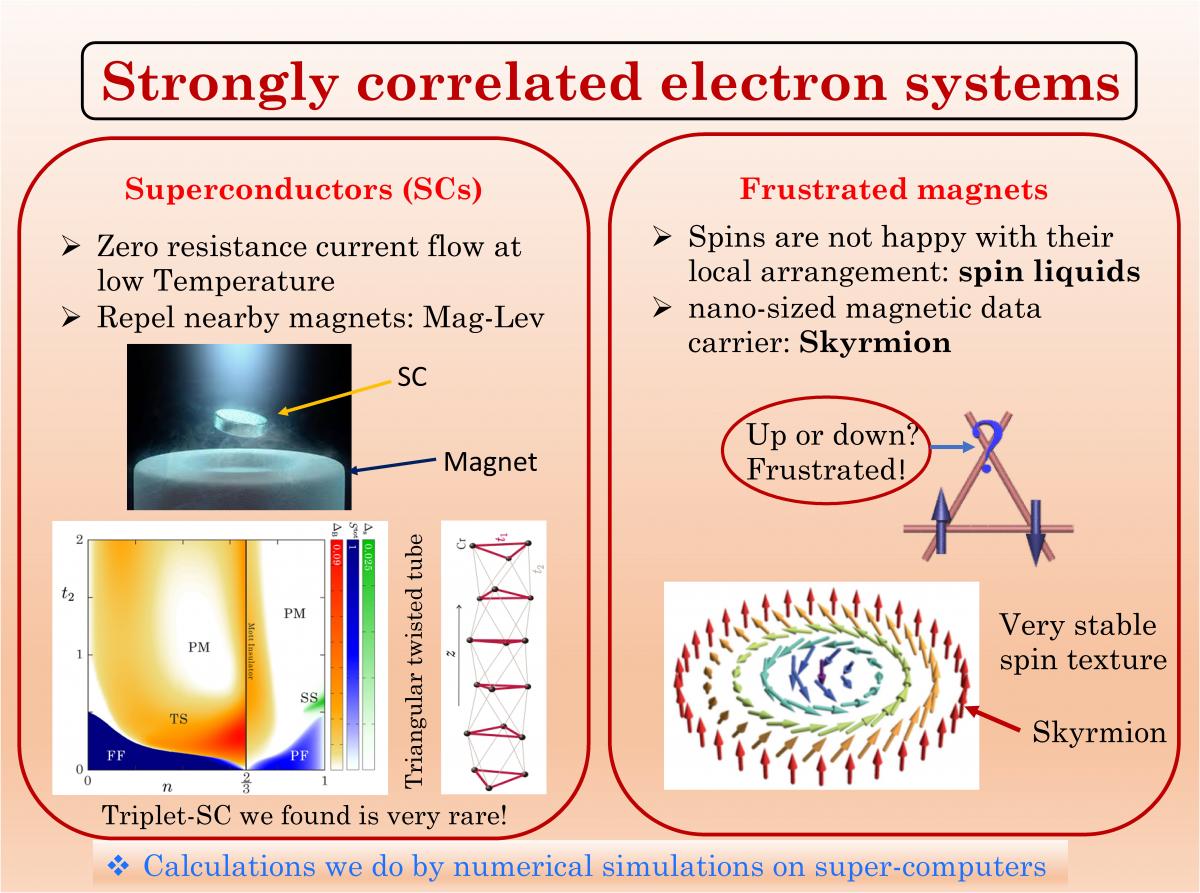
Exploration of Skyrmionic Materials

DST-SERB

Completed


Dr. Neeraj Panwar

Size-dependent magnetic properties of Mn-doped rare earth orthochromites: A neutron powder diffraction study (CRS-M-298)

UGC-DAE CSR MUMBAI

Completed

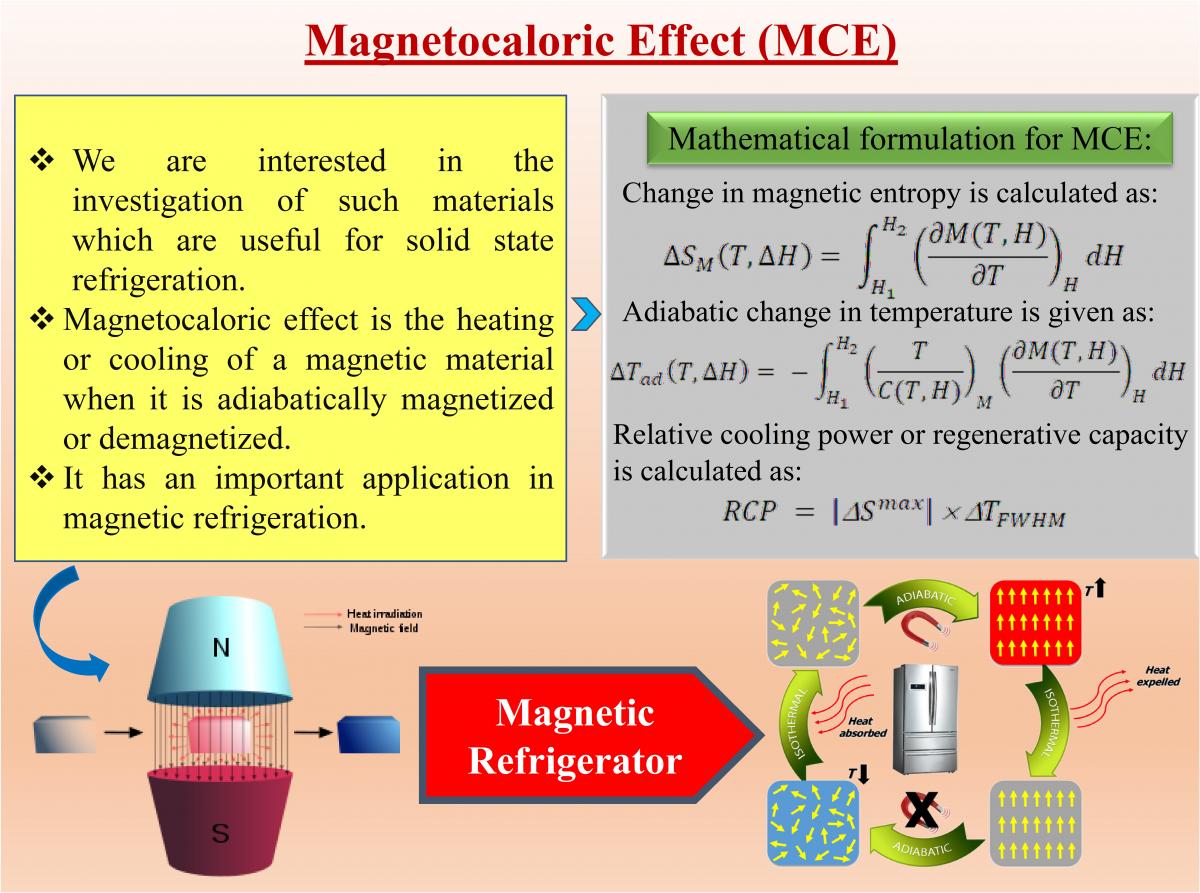
Impact of ion irradiation on the exchange bias, magnetization reversal, spin reorientation and magnetocaloric

IUAC NEW DELHI

Completed

Exploring the magnetocaloric properties of bulk ceramics, nanocrystalline and thin film of manganese-doped rare earth orthochromites 

DST New Delhi

Completed

Dr. Rajneesh Kumar Verma

Investigations on porphyrin coated optical fibre sensors based on lossy mode resonances

DST-SERB

Completed

Dr. Pradeep Kumar

Graphene base composites for high performace thermally conducting interface and electromagnetic interference shielding applications

DST

Completed

Dr. Sandeep Kumar

(UGC-FRP)

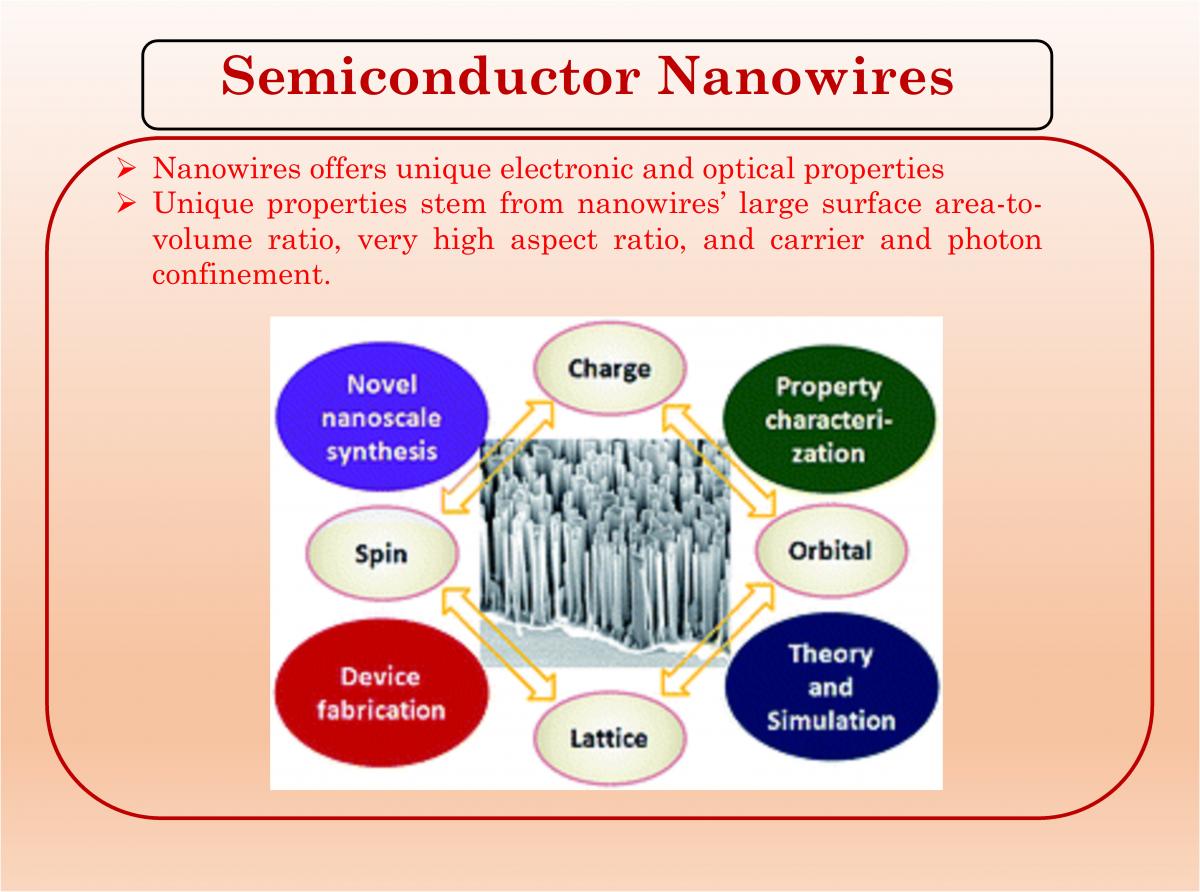
Electrical field-controlled magnetism in semiconductor nanowires

DST-SERB

Completed

Dr. Sahinur Reja

Quantum criticality and exotic magnetic states in spin tetramer compounds

UGC Start-up

Completed

Unconventional superconductivity and spin liquids in metal-organic frameworks

DST-SERB Start-up

Completed

Dr. Divya Srivastav

(DST Inspire Faculty)

Tailoring the Electronic Properties of Semiconductor Oxides Interference and Surface: First Principles Study

DST

Completed

Dean, School of Physical Sciences

CENTRAL UNIVERSITY OF RAJASTHAN
NH-8, Bandar Sindri,
Dist-Ajmer-305817, Rajasthan [INDIA]

Email: hod.phy@curaj.ac.in
: +91-1463-257577